

Choosing the right educational path for your young child can feel like navigating a maze, with numerous philosophies and approaches vying for your attention. Understanding the core tenets of each option is crucial for making an informed decision that aligns with your family’s values and your child’s unique needs. At Rainforest Child Care Center, we believe that providing a nurturing and stimulating environment is paramount to fostering a love for learning from an early age. This guide will explore three prominent educational styles to help you find the best fit.
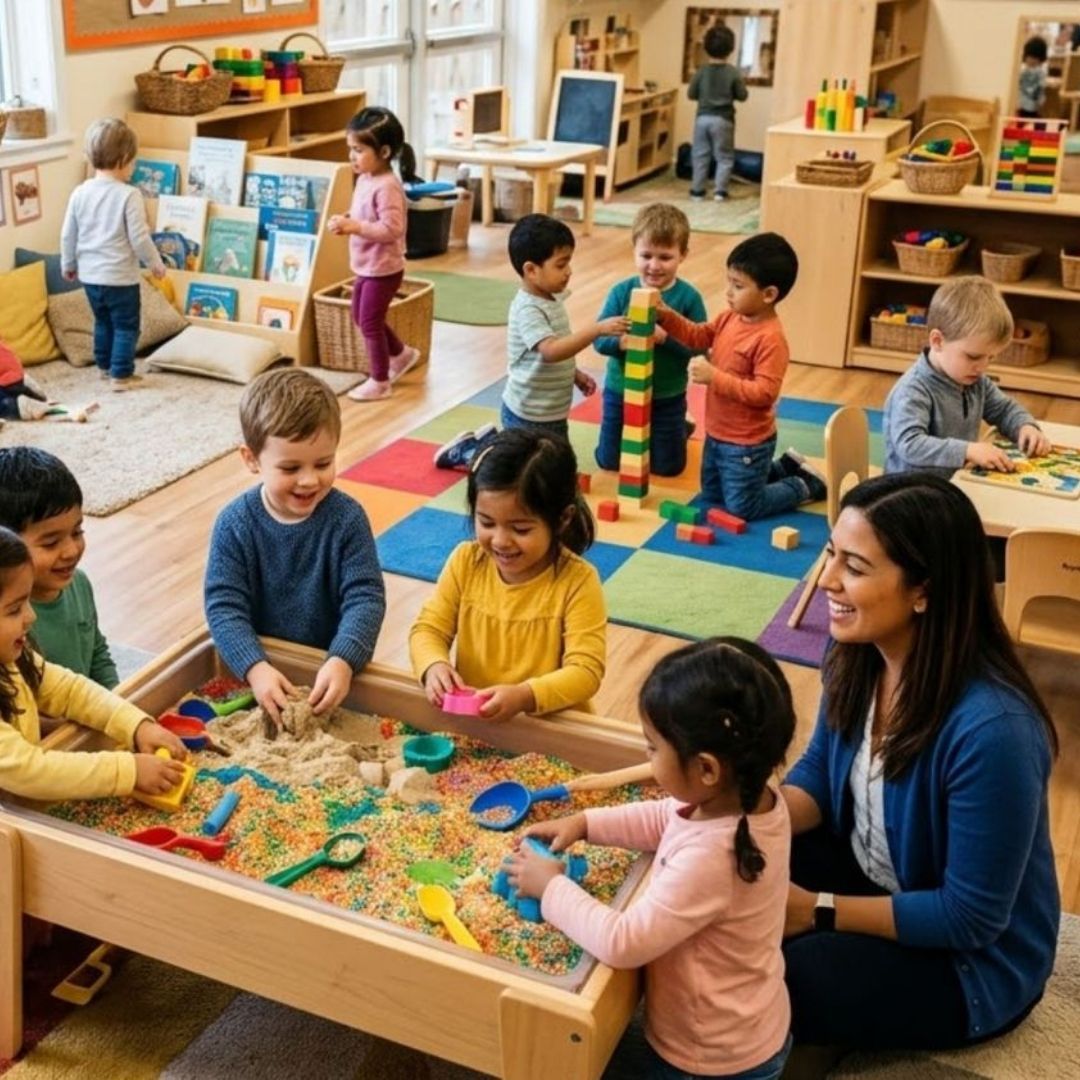
Understanding Play-Based Learning
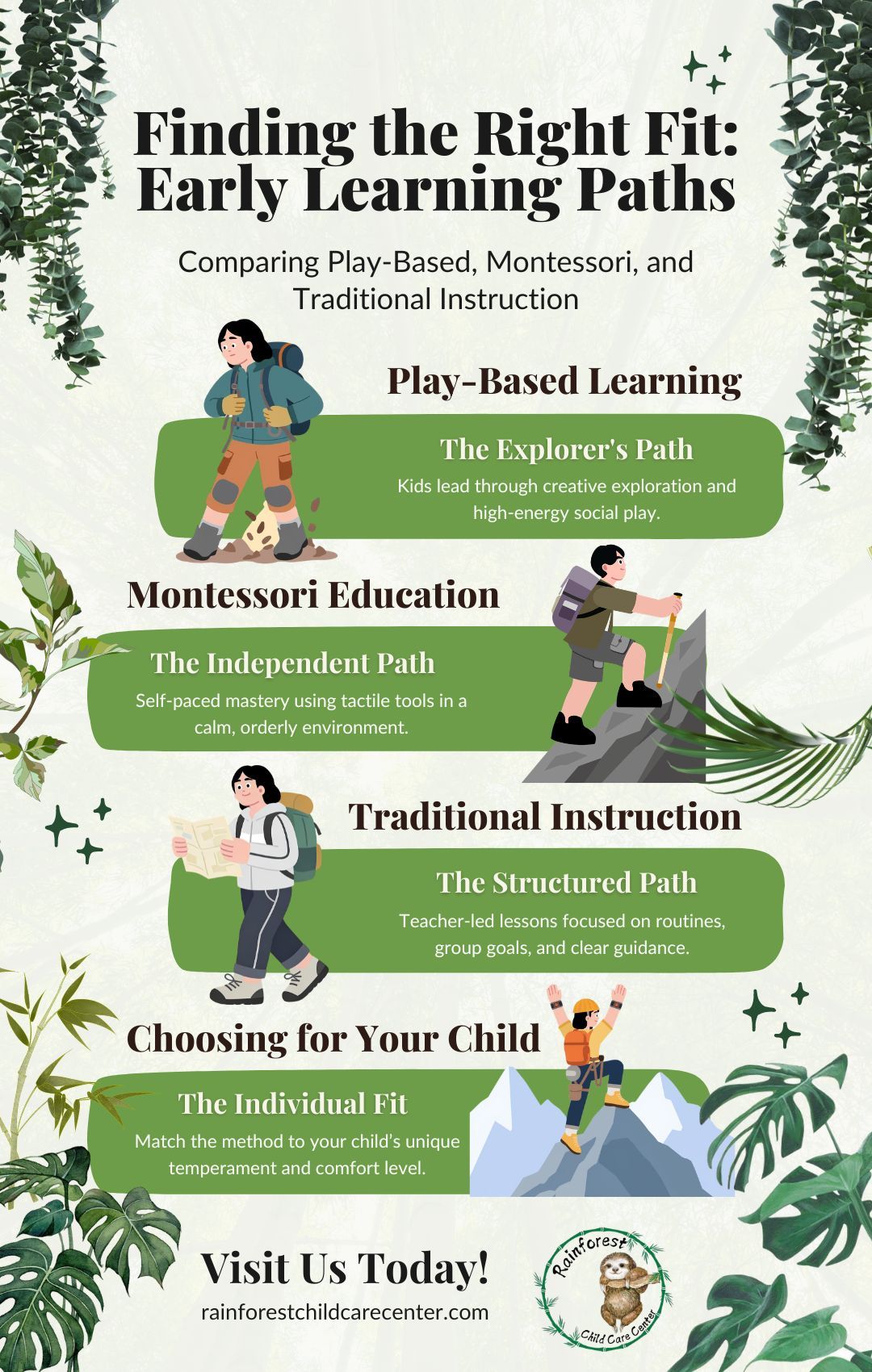
Play-based learning is a dynamic and child-centered approach where children learn through exploration, discovery, and creative engagement. In this model, play is not just recreation; it is the primary vehicle for developing cognitive, social, emotional, and physical skills. Educators design rich environments and facilitate experiences that encourage children to initiate activities, solve problems, and collaborate with peers. This approach fosters autonomy, creativity, and a lifelong love of learning by respecting a child's natural curiosity. Many programs offering play-based learning in California emphasize hands-on experiences, enabling children to build understanding and skills at their own pace.
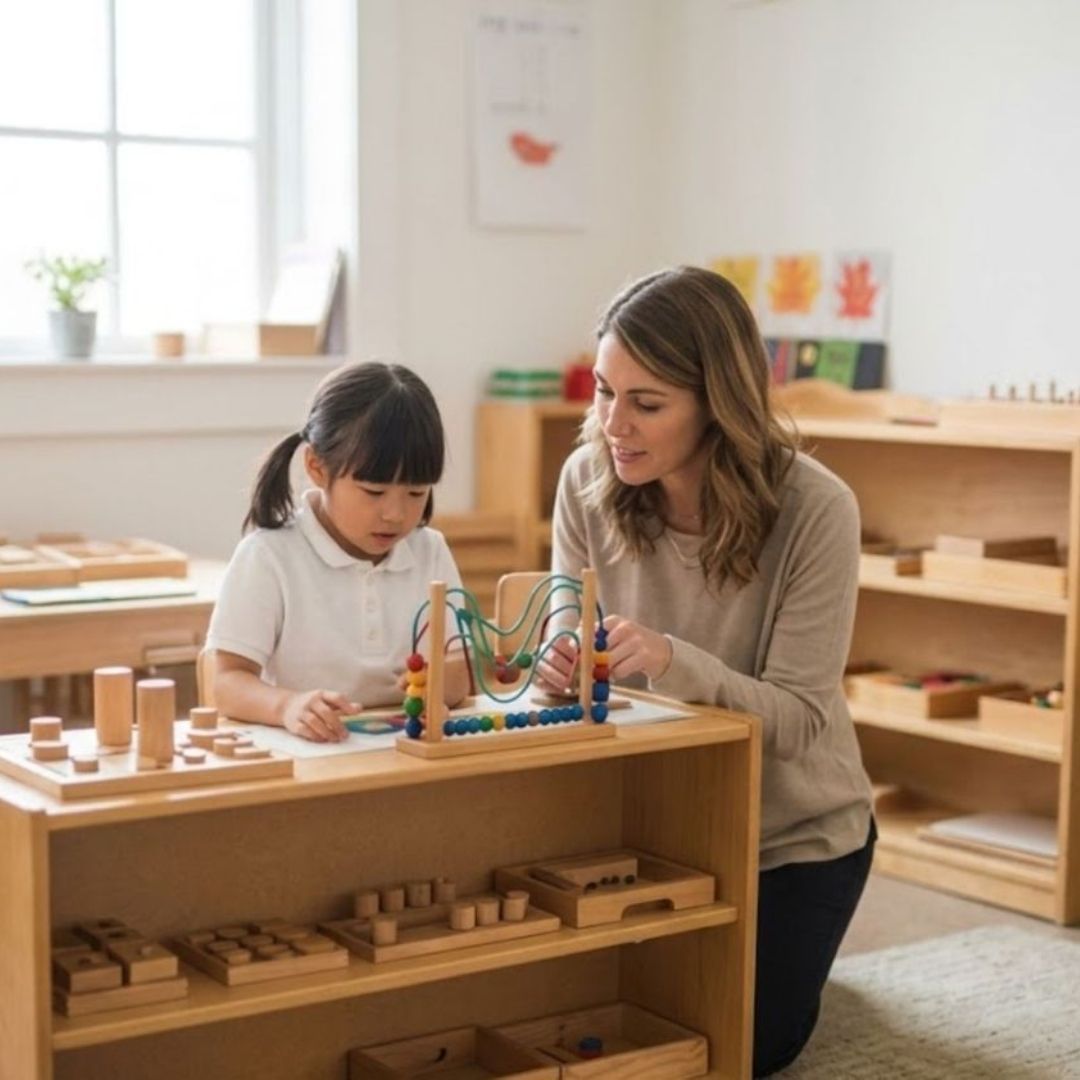
Exploring the Montessori Method
The Montessori method, developed by Dr. Maria Montessori, emphasizes independence, self-direction, and respect for a child’s natural psychological development. Classrooms are meticulously prepared environments featuring specific, self-correcting educational materials. Children are given freedom within limits to choose their activities, fostering concentration, discipline, and a sense of accomplishment. The role of the educator in a Montessori setting is to observe, guide, and introduce materials when a child is ready, rather than to lead traditional group lessons. This method aims to cultivate a child’s intrinsic desire to learn and develop practical life skills.
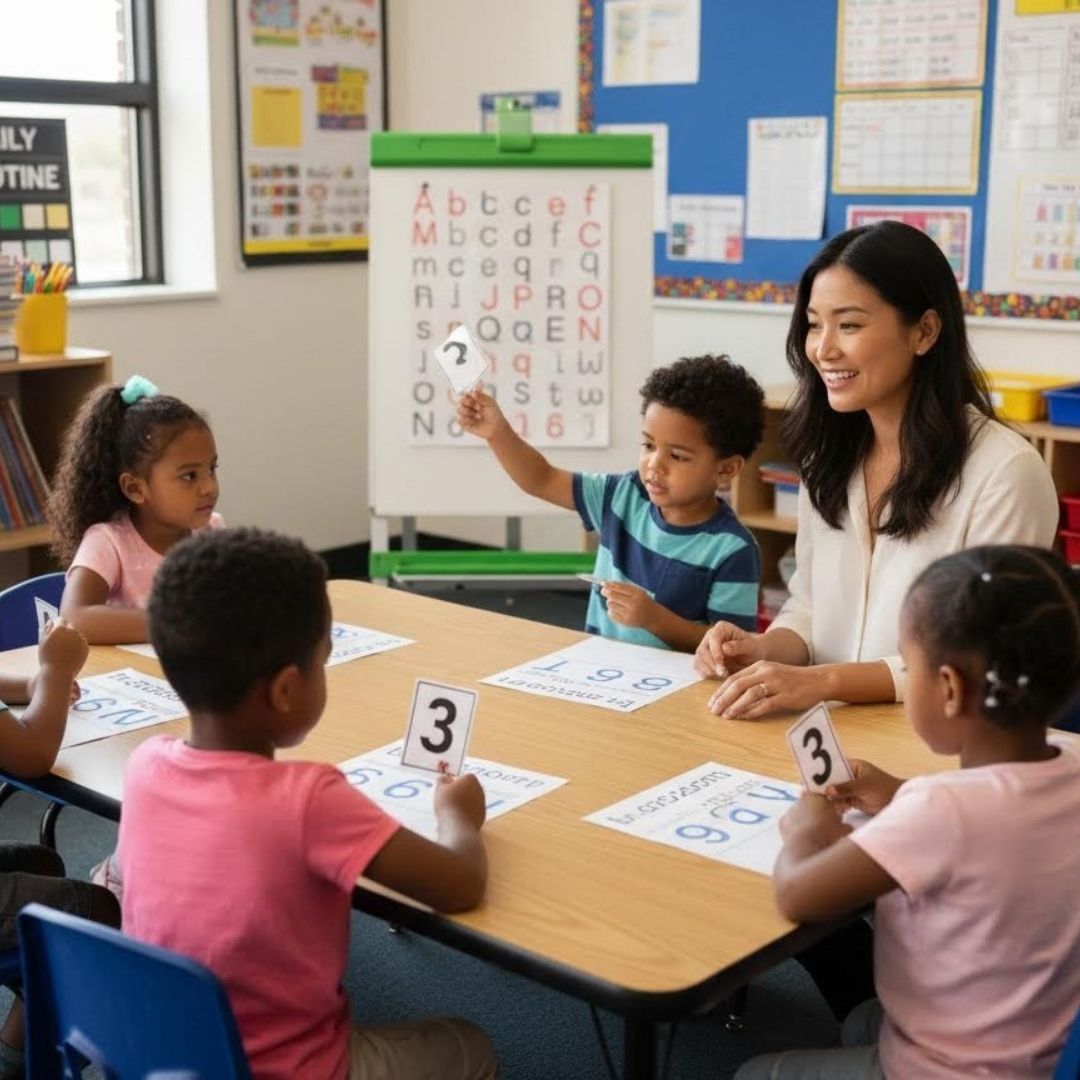
The Traditional Instruction Approach
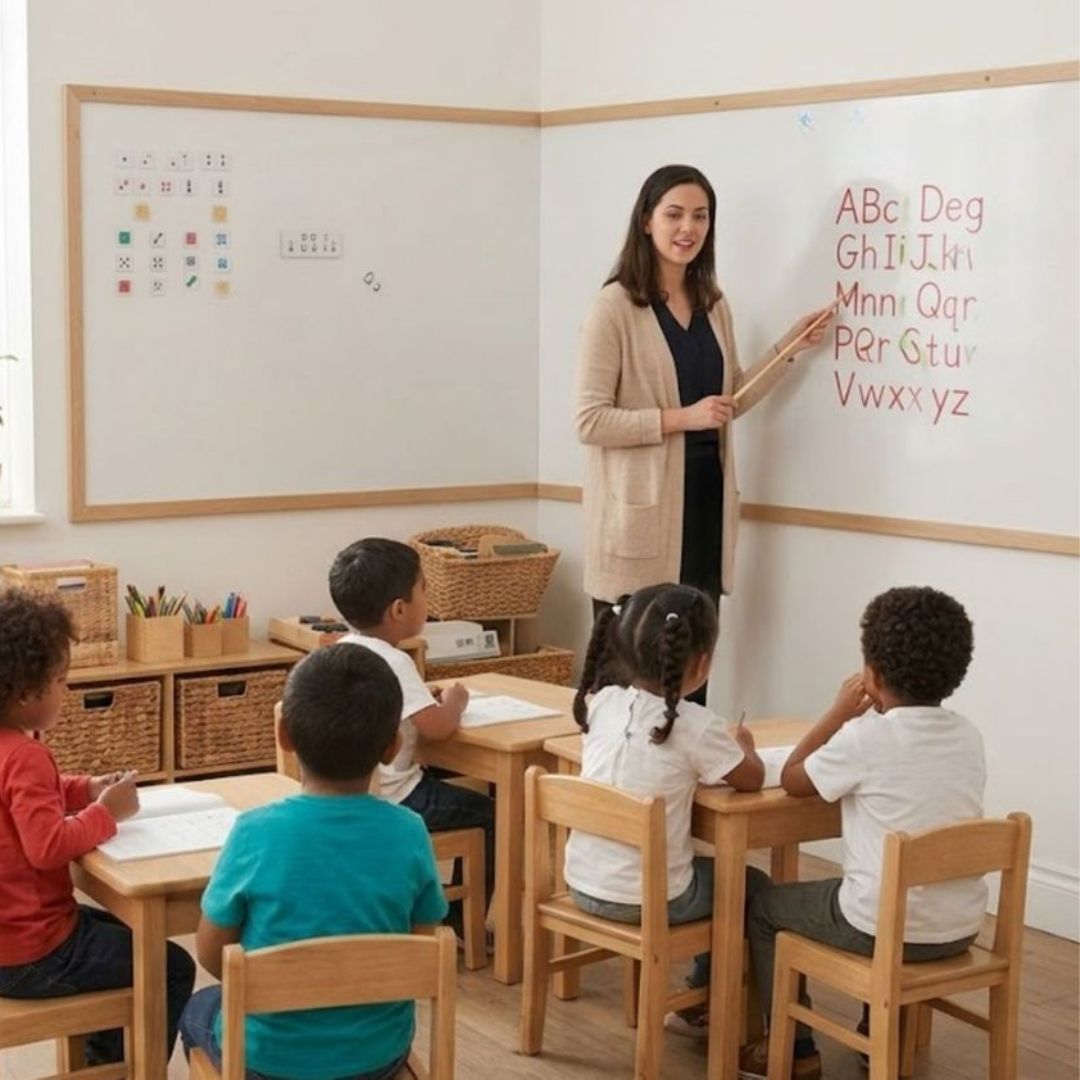
Traditional instruction, often seen in more conventional daycare or preschool settings, typically involves a more structured, teacher-led curriculum. Learning activities are often presented to the entire group, with specific times for subjects like letters, numbers, and stories. This approach may include direct teaching, worksheets, and memorization, aiming to prepare children for the academic demands of kindergarten and elementary school. While it provides a clear structure and can ensure children are exposed to specific content, the pace and activities are generally determined by the teacher rather than the individual child's interests or readiness.
Making the Best Choice for Your Family
Selecting an educational approach involves considering your child’s personality, your family’s priorities, and the specific offerings of local programs. If your child thrives with open-ended exploration and social interaction, a play-based environment might be ideal. If you value a structured approach that encourages self-discipline and focused work with specialized tools, Montessori could be a strong contender. Traditional instruction may suit children who benefit from clear routines and direct teaching.
Whether you're searching for a Montclair daycare or preschool, it is beneficial to visit prospective centers, observe their classrooms, and speak with educators to understand how their philosophy is implemented. For families in the area, considering options like Rancho Cucamonga child care also means evaluating these distinct educational philosophies to find a truly harmonious fit.
Finding the perfect educational environment for your child is a significant decision that impacts their early development and future success. Understanding the differences between play-based learning, Montessori, and traditional instruction empowers you to choose a program that resonates with your child’s unique spirit and your family's aspirations. At Rainforest Child Care Center, we are dedicated to fostering curious, empathetic, and independent learners through engaging, play-based experiences. To learn more about our specific approach and how it can benefit your child, we invite you to schedule a visit with us today!